Nobody's Face, Everybody's Feed: How Synthetic Avatars Took Over 2026
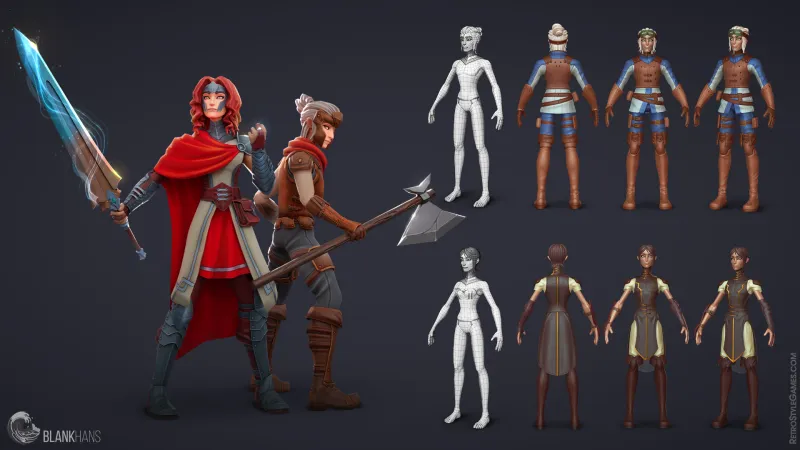
Photo: stylized 3D avatar character on smartphone screen social media, via images-rsg.storage.googleapis.com
There's a creator with nearly two million followers who reviews budget cooking gadgets, has a running bit about her disastrous attempts at sourdough, and answers comments in a voice that's slightly too consistent. She has never existed. Everyone watching knows it. It hasn't dented engagement by a single point.
That's the defining digital-culture shift of 2026, and it's happening in plain sight: audiences are not just tolerating visibly synthetic personas, they're preferring them. Not because people are naive — because the unreality is the point.
The Uncanny Stopped Being a Warning Sign
For years, the assumed endgame of AI-generated identity was perfect deception. A fake person so convincing you couldn't tell. That's not what happened, at least not at scale. What actually spread was the opposite: personas that make no effort to pass as human, that wear their synthetic nature like a costume.
A few reasons this landed with US audiences:
- No scandal risk. A fictional creator can't get into a messy public feud, get canceled, or have their old posts resurface. Brands love this. So do audiences who are tired of the cycle.
- Infinite consistency. A synthetic persona can post daily, in character, forever, without a bad week.
- Aesthetic freedom. You can be a 60-foot chrome sculpture with a taste in jazz. Human faces are limited. Avatars are not.
- Permission to be weird. Watching a clearly unreal character frees the audience from the parasocial obligations of following a real person. You don't owe them anything.
That last one is underrated. A huge chunk of 2026's social exhaustion comes from the emotional labor of following real humans. Synthetic creators offer companionship-shaped content without the relationship.
The Identity Layer Is Where It Gets Complicated
The technical side is now straightforward. Avatars are cheap to generate, cheap to animate, and cheap to run as persistent identities across platforms. The hard part is everything identity was ever supposed to do: prove who's behind something, and hold them accountable.
Consider the ecosystem as it currently stands. A synthetic creator might be:
- A wholly original character with no human likeness involved,
- A stylized front for a real person who prefers not to show their face,
- A licensed digital replica of a real person, contracted and paid,
- Or a knockoff of a real person's likeness made without any agreement at all.
To a viewer, all four look roughly the same. To a lawyer, they're four entirely different products. That gap is where the next two years of platform policy fights will happen, and it isn't hypothetical — states have already been moving on digital replica rules for performers, and federal proposals around likeness rights keep resurfacing in Washington.
Consent Is the Whole Ballgame
The original-person problem is easy to state and hard to enforce. If a synthetic identity is built from a real person's face, voice, or mannerisms, the question is simple: did that person agree, and can they withdraw?
In practice, most platforms are still operating on the honor system with a report button. That works for the obvious fakes and fails completely for the plausible ones — the avatar of a mid-tier creator, the synthetic spokesperson, the regional variant of a celebrity that only exists in one market.
The uncomfortable truth is that the current system leans on the person being replicated to notice, prove it, and fight it. That's a bad deal for anyone without a legal team.
What Labeling Will Probably Look Like
Expect plain disclosure labels, not a global verification regime. The realistic near-term path in the US is a patchwork: platform-level tags for synthetic creators, some state-level rules on replica consent, and industry pressure from advertisers who don't want to be caught funding an unauthorized likeness.
A useful distinction platforms keep flattening is declared vs. verified. A declared status means the creator says, "this is a character." A verified status means a platform has actually checked whether a human, agency, or licensed likeness is behind it. Almost everything on the market right now offers the first and skips the second.
That's fine for a cooking gadget reviewer. It's not fine for a synthetic persona selling financial advice, or one speaking as a medical professional, or one that's an avatar twin of a real politician's spouse.
The Trust Tax Is Coming
Here's the prediction worth pricing in: disclosure will become a tax on scale. Small synthetic creators will keep operating loose and unlabeled. Bigger ones will need paperwork — consent records, likeness licenses, human accountability contacts — because that's what advertisers, insurers, and platforms will demand before putting money behind them.
Which creates an odd outcome. The fully fictional character will be the easiest to clear. The realistic human replica — the format that seemed most commercially promising a few years ago — will be the hardest.
What Platforms Should Actually Build
Three things, none of them glamorous:
- A consistent synthetic-identity flag that travels with an account across surfaces, and that can't be quietly removed when a persona gets big.
- A likeness registry with a real dispute process, where a person can flag unauthorized replicas without hiring counsel and unlocking a legal campaign.
- Disclosure requirements tied to category, not just format. Entertainment? Fine. Health, finance, politics, and anything children might mistake for a friend? Different rules.
The Bigger Point
We spent the early 2020s assuming the danger was being fooled. The 2026 reality is stranger: the most influential online identities are openly unreal, and the trust problem has moved from is this a person to who's responsible for this character.
That's a much more answerable question. Which is why the platforms that figure out the paperwork side first — consent, labeling, accountability — will end up owning the category. The faces were never the hard part. The chain of custody behind them is.